顯示具有 YOGA歷史 標籤的文章。 顯示所有文章

2008/03/07

現今最流行的瑜伽修煉方法


關于瑜伽的流派
(1)jnana yoga(智慧瑜伽):熱心于研究工作,用其天賦智慧,探求人生的哲理。
(2)hatha yoga(哈達瑜伽):包括asana(體位法)和tpranayams(呼吸法),為追求身心健康的瑜伽科學。為世界上最普及的健康美容法,被廣泛應用。哈達瑜伽或譯“日月瑜伽”、“陰陽瑜伽”和“健美瑜伽”。
(3)karma yoga(行動瑜伽):包括pratyahara,或譯勞動瑜伽。以服務社會,不計較成果,在為民眾服務中得到快樂。
(4)raja yoga(冥想瑜伽):包括dharana,dhyana及samaehi,為精神集中及靜坐的瑜伽科學。
(5)bhahti yoga(拜神瑜伽):不拘何種宗教,有歸依、仰慕神主之意義。
(6)kundalini yoga(軍荼利瑜伽):以練氣為主,當全身氣脈貫通,無論是肉體健康、精神健康都會達到天人合一的境界。
哈達瑜伽的不同派係
舉太極為例,無論你耍的是陳家、楊家、孫家或吳家太極,它們都是太極,只是學派不同而已。 哈達瑜伽(Hatha Yoga),亦是瑜伽中的一支,是現今最流行亦最為人熟悉的瑜伽修煉方法。經過五千年的演變及發展,加上傳統瑜伽的口頭傳授方式,而非書面傳授,瑜伽的博大精深導致了其在傳授中的不確定性。結果涌現各式各樣練習哈達瑜伽的派別,而世界上的各個瑜伽分支對瑜伽姿勢的命名也有所不同。盡管這樣,大多數瑜伽分支都遵循既定的基本規則,只是在教授的方法、重點和練習上稍有不同而已。但被教授的“主角”,仍是瑜伽。因為每個人的喜好、年齡、體質以及性情都不同,你應選擇最適合自己的派係練習。現在先簡單介紹當今最流行、最為人熟悉的幾個哈達瑜伽派係讓大家有一個概括的印象:

1. Ananda Yoga這一派認為身體及靈性上的修習同樣重要。必須先潔凈和提升能量,為冥想作好充分準備。隨著腦海內反復地作提示和肯定(Affirmation),每一個瑜伽姿勢最終用以擴闊或提升自我意識(Self-awareness)。Ananda Yoga的另一特色是著重一係列“能量法運動”(Energization Exercises),要求身體某部位反復收緊及放松,同時配合呼吸方法將能量帶至該處。它強調做瑜伽姿勢時必須極度放松,從而為其後的冥想做好準備。
2. Ashtanga Yoga Ashtanga Yoga,是哈達瑜伽中最講求體力的。它共有240個瑜伽姿勢,以六組動作單元結合呼吸串連起來,藉以提升身體的“熱力”,從而強化身體。因為強調力量(Strength)、柔韌度(Flexibility)和元氣(Stamina)三者同樣重要,而深受運動員或熱愛劇烈運動的人所喜愛。
3. Integral Yoga這派結合所有實踐瑜伽的步驟——瑜伽姿勢、調息法、無私的奉獻、祈禱、唱聲、冥想及自省,特別強調瑜伽是以冥想為最終目的,多過人體結構的分析,鼓勵學員練習時要“松弛”(Easeful in body)、“平靜”(Peaceful in mind)以及“有為”(Useful in life)。每一堂瑜伽會長達75分鐘,其中45分鐘用在瑜伽姿勢的鍛煉上,緊隨是放松、呼吸練習,最後就是冥想部分。具難度之余,卻溫和而沉靜,受喜歡全面地學習傳統瑜伽的人士所追隨。
4. Iyengar Yoga Iyengar Yoga可說是近年西方最為人熟悉的哈達瑜伽學派。它由國際著名的印度瑜伽大師B.K.S.Iyengar創立,將瑜伽科學及醫學化,藉以改善個人生理及心理上的種種毛病。這一派導師特別強調做瑜伽姿勢時手腳、盆骨、脊椎骨等身體部分的配合、絕對正確的位置和肌肉收緊放松的配合,對細節的掌握非常注重,因此能打好瑜伽姿勢良好的基礎,以及改善一些身體姿勢的問題。這一派也特別重視“站式”的鍛煉,呼吸技巧則稍為次要。此外,Iyengar Yoga認為練習時必須因應個人體形上的限制,因此特別鼓勵學員借道具來提高姿勢的準確性,這些道具包括毛氈、磚、攬枕、椅子、繩子等等。
5. Kripalu Yoga Kripalu Yoga常被形容為“動態的冥想”,較少著重鍛煉瑜伽姿勢時的生理細節,更多注重瑜伽姿勢帶給人在感情及心理上的感受,因此要求學員保持溫柔、慈悲及內省的態度。這一派認為,身體有它的智慧,它會發出信息,提示個人應怎樣將瑜伽姿勢流暢自然地練習下去。每一個瑜伽姿勢都會維持著一段很長的時間,以求發掘或釋放被壓抑了的情感。這種內省式的哈達瑜伽由三個階段組成:持續鍛煉(瑜伽姿勢)、意志和放下(心靈),以及順從身體的智慧。在這三個階段裏,瑜伽姿勢會因應不同情況而有不同難度:溫和的,中等的,以及劇烈的。
6. Kundalini Yoga Kundalini Yoga歷史久遠,深信生命的能量(Kundalini)隱藏于尾椎部位,只要通過各種修行(呼吸、姿勢、唱聲及冥想),這能量便會被啟發、引導至脊椎的各個“氣輪”(Chakras)上;而當“頂輪”(Crown)被打通了,人便能悟道。這一派特別著重幾種呼吸的技巧:鼻孔的交替呼吸(Alternate Nostril Breathing)、緩慢、橫膈膜的呼吸(Diaphragmatic Breathing),以及一種叫“火焰”(Breath of Fire)的呼吸法。
7. Sivananda Yoga Sivananda Yoga結合五項特定鍛煉方法:適當的運動、呼吸、深度放松、素食,以及正面思考和冥想。每一課都有特定的進程,包括呼吸練習、拜日式、12個傳統瑜伽姿勢,以及放松練習。而在課堂開始及結束時,都會有短簡的頌唱和祈禱的儀式。
8. Viniyoga 這一派瑜伽也講求瑜伽姿勢的細節,亦講求體力和耐力。學習瑜伽,必須以“Vinyasa Krama”為原則,即“有組織地研究”(an organized course of Yoga study),結合瑜伽姿勢、調息法、冥想、課本研究、輔導、心象、祈禱、唱聲及儀式。它會因應學員的個別心理狀況、身體限制,以及文化差異而教導瑜伽姿勢;脊骨的健康及呼吸,比起怎樣完成瑜伽姿勢更為重要,而且呼氣和吸氣會有意識地以不同時間及長度進行,以配合瑜伽姿勢的鍛煉。
9. Bikram Yoga 別號“高溫瑜伽”的Bikram Yoga,由瑜伽大師Bikram Choudhury始創,是近年健身界的新寵兒,特色是課堂在一個較高溫度的室內進行(攝氏38至42度),令體溫快速提升,加速排汗及排毒功能。每課結合26個瑜伽姿勢,幫助提高身體的柔韌度、強化肌肉和各個關節及韌帶,最終達到身心松弛的目的。
何謂密宗瑜伽?
約七千年前偉大的聖哲希瓦(Shiva)創立了完整身、心、靈鍛煉的體係——密宗(Tantra)。Tan意為擴展,Tra意為心靈的解脫。因此密宗就是一種讓吾人從束縳中得到解脫的鍛煉,同時它也是有限與無限間的橋梁。它並非宗教,亦非迷信,更不是烏托邦徒托空言的道理。密宗百分之九十是實踐的科學,理論是為驗證,支持實際的鍛煉而存在。它的本質是戰鬥,人需經由內外的戰鬥,以意志力來控制其世俗行為和表現,由內在的戰鬥來克服心靈所有的弱點,以靈性直覺的力量來喚醒和提升生命沉睡的無限潛能。最後掙脫一切的束縳而達至上的喜悅和解脫。
瑜伽(Yoga)意為將個體意識融入宇宙本源,亦即中國人所說的天人合一。它包含了知識瑜伽、行動瑜伽、虔誠瑜伽三個主要部分。而哈達瑜伽、勝王瑜伽、梵咒瑜伽、拙火瑜伽……等則是較為一般人所知的不同瑜伽派別。約于二千年前瑜伽行者潘坦佳利將各派瑜伽的精華綜合歸納為八部功法瑜伽(Astanga yoga),它包含了:  
一、外在行為控制。二、內在行為控制。三、瑜伽體位法。四、生命能控制法。五、感官之收攝。六、心靈集中。七、禪定。八、三摩地。所以從精細的層面而言,密宗與瑜伽是同義的。
世人都擁有無限的智能與潛能,然而多數人卻感覺不到自己所具有的這種能力。科學家們說,一般人最多只運用了這方面能力的2%,至于那些較為特殊的人物——如大科學家、赫赫有名的領袖、卓絕的藝術家等——也只不過動用到全部潛能的8%到10%罷了。因此,如能不斷地學習和充份地利用我們的潛力,必定會獲得更多的智能和力量。這種發掘內在無限潛能的科學就是密宗瑜伽的靜坐。它不是一種消極的放松,而是使內在充沛著無比的能量,心靈高度的提升。在身體、感官于寂然不動中,讓有限的﹁我執﹂超越其一切有限的束縳。靜坐中,心靈為一強而有力的梵咒(Mantra)音聲所提升。梵咒于內在以具有律動的方式默念,它使動蕩的心靈轉化為精細的波流。于此梵咒音聲更重要的是梵咒的意義;其意義即是:我就是無限的至上本體,心靈在無限的導向中,超越了狹隘的自我,而逐步的融入至上理念的目標。
古印度王式瑜伽
古印度王式瑜伽 承傳2500年古印度瑜伽修行者修行成果,經世代積淀而達瑜伽最高境界,是為瑜伽之王。但因其神秘與曾經外傳限制而少有人知,現從深山走向都市,結識有緣人,以求光大。
練習古印度王式瑜伽術,學員能在老師的帶領下自動調整呼吸,並在老師內功的帶動下迅速放松韌帶,快速增加身體的柔韌度和頭腦的靈敏度。整個過程不會喘氣,不會累。並有助于融入自然的身、心、靈調整術,增加魅力、改善睡眠、排毒、減肥,提升腦力、精力,集中注意力。
轉載自

2007/01/25

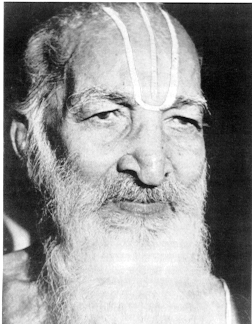
現代瑜珈之父-Krishnamacharya的傳奇


現代瑜珈之父-Krishnamacharya

摘要自http://www.yogajournal.com/wisdom/465_1.cfm
1. 4大門徒
his four most famous disciples—Jois, Iyengar, Devi, and Krishnamacharya's son, T.K.V. Desikachar.
Krishnamacharya最有名的4大門徒-Pattabhi Jois 、B.K.S. Iyengar 、T.K.V. Desikachar(Krishnamacharya的兒子)及Indra Devi。 Indra Devi

*Krishnamacharya瑜珈系統是Iyengar, Ashtanga及 Viniyoga瑜珈系統的根源(Krishnamacharya-based styles)。
He never crossed an ocean, but Krishnamacharya's yoga has spread through Europe, Asia, and the Americas.
Krishnamacharya不曾漂洋過海,但其瑜珈系統卻傳遍歐洲,亞洲及美洲。
2.第二代門徒
Rodney Yee, who appears in many popular videos, studied with Iyengar.
華人Rodney Yee出版許多瑜珈教學影像的瑜珈老師,他的老師是B.K.S. Iyengar。
Richard Hittleman, a well-known TV yogi of the 1970s, trained with Devi.
Richard Hittleman在1970年代很有名的電視瑜珈修行者,他的老師是Indra Devi。
3.簡史
The yoga world Krishnamacharya inherited at his birth in 1888.
瑜珈世界傳承自Krishnamacharya的出生1888年
his father initiated him into yoga at age five.
在5歲時他的父親開始教他瑜珈
Sri Ramamohan Brahmachari, one of the few remaining hatha yoga masters.
他的瑜珈老師Sri Ramamohan Brahmachari是印度少數的哈達瑜珈大師
he lived with his spouse and three children in a remote cave.
Brahmachari和他太太及3個小孩住在人跡罕至的洞穴
he spent seven years with this teacher.
Krishnamacharya跟他老師學習7年
he mastered 3,000 asanas and developed some of his most remarkable skills, such as stopping his pulse.
Krishnamacharya學會了3000多種體位法及發展了特別的功法ex.停止脈搏。
Brahmachari asked his loyal student to return to his homeland to teach yoga and establish a household.
Brahmachari要求他的忠實學生回到自己的故鄉教瑜珈及成立自己的家庭。
In the 1920s, teaching yoga wasn't profitable. Krishnamacharya was forced to take a job as a foreman at a coffee plantation.
在1920年代在印度教瑜珈是不被允許的。Krishnamacharya回鄉後找到一份種植咖啡的工作。
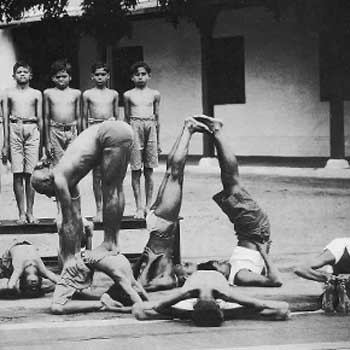
To teach people about yoga, Krishnamacharya felt, he first had to get their attention. These demonstrations, included suspending his pulse, stopping cars with his bare hands, performing difficult asanas, and lifting heavy objects with his teeth.
Krishnamacharya發覺要教人瑜珈前第一應先讓人注意。他示範表演包括:暫停脈搏、用空手停下汽車、表演困難的體位法及用牙齒舉起重物。
Krishnamacharya's fortunes improved in 1931 when he received an invitation to teach at the Sanskrit College in Mysore.

時來運轉,在1931年Krishnamacharya獲得在Mysore的Sanskrit學院教授瑜珈的邀請。在Mysore的Sanskrit學院教授瑜珈


Thus began one of Krishnamacharya's most fertile periods, during which he developed what is now known as Ashtanga Vinyasa Yoga.
Krishnamacharya最有創造力的時期-他發展出目前很有名的八支串聯瑜伽
Krishnamacharya standardized the pose sequences into three series consisting of primary, intermediate, and advanced asanas.
Krishnamacharya將體位法標準化分成3級- primary, intermediate, 及 advanced 體位法。
Perhaps this method, originally designed for youngsters, provides our high-energy, outwardly-focused culture with an approachable gateway to a path of deeper spirituality.
也許八支串聯瑜伽原始為年輕瑜珈士設計,提供我們高能量及外在集中的文化,是進入更深沉精神世界的閘道。
Though Krishnamacharya developed this manner of performing yoga during the 1930s, it remained virtually unknown in the West for almost 40 years. Recently, it's become one of the most popular styles of yoga, mostly due to the work of one of Krishnamacharya's most faithful and famous students, K. Pattabhi Jois.
雖Krishnamacharya在1930年代發展此瑜珈系統,但在此後40年後西方世界仍不認識他。近來八支串聯瑜伽變成最受歡迎的瑜珈系統是因為其最忠實及有名的學生K. Pattabhi Jois.


4. K. Pattabhi Jois
As a robust boy of 12, Jois attended one of Krishnamacharya's lectures.
K. Pattabhi Jois在12歲時參加Krishnamacharya的演講
Jois asked Krishnamacharya to teach him yoga. Lessons started the next day, hours before the school bell rang, and continued every morning for three years until Jois left home to attend the Sanskrit College.
之後K. Pattabhi Jois要求Krishnamacharya教他瑜珈。隔天在上學前Jois開始學瑜珈持續3年一直到他到梵語大學教瑜珈課為止。


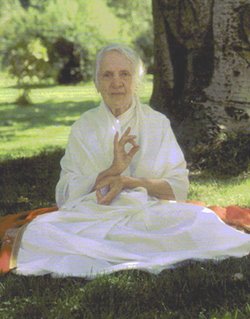
5. 瑜珈第一夫人Indra Devi
she was born Zhenia Labunskaia, in pre-Soviet Latvia
她出生在Zhenia Labunskaia前蘇聯 拉脫維亞
At first, Krishnamacharya refused to teach her. He told her that his school accepted neither foreigners nor women.
一開始Krishnamacharya拒絕教她因在其瑜珈學校不教外國人也不教女士
But Devi persisted, persuading the Maharaja to prevail on his Brahmin. Reluctantly, Krishnamacharya started her lessons
但Devi堅持最後說服Krishnamacharya開始教她瑜珈
After a year-long apprenticeship, Krishnamacharya instructed Devi to become a yoga teacher.
經一年的學習Krishnamacharya訓練Devi變成一位瑜珈老師
Over the years after her studies with Krishnamacharya, Devi founded the first school of yoga in Shanghai, China, where Madame Chiang Kai-Shek became her student.
與Krishnamacharya又經一年的學習, Devi在中國上海成立第一所瑜珈學校,蔣介石先生的夫人亦是其學生


In 1947 she moved to the United States. Living in Hollywood, she became known as the "First Lady of Yoga,"
在1947年她搬到美國駐在好萊塢,成為有名的” 瑜珈第一夫人”
she moved to Argentina in 1985. Argentina's President Menem came for her blessings and advice.
在1985年她搬到阿根廷。阿根廷總統Menem拜訪她接受其祝福及建議
Though Devi died in April, 2002 at the age of 102, her six yoga schools are still active in Buenos Aires, Argentina. Until three years ago, she still taught asanas.
雖Devi在2002年4月離開人世享年102歲,但她創辦的6個瑜珈學校仍然在阿根廷首都布宜諾斯艾利斯運作。一直到3年前她仍教授體位法。


6. B.K.S. Iyengar
Krishnamacharya's wife was Iyengar's sister
Krishnamacharya的太太是Iyengar的姊姊
And, like Krishnamacharya, Iyengar never hesitated to innovate. He largely abandoned his mentor's vinyasa style of practice. Instead, he constantly researched the nature of internal alignment, considering the effect of every body part, even the skin, in developing each pose.
和Krishnamacharya一樣Iyengar不曾停止創新。他放棄他老師的串聯動作型式的練習。取而代之的是他繼續深入研究內在與自然的結合,思考體位法對身體每一部份的影響,甚至包含皮膚,發展每一體位法。
It's hard to imagine how our yoga would look without Iyengar's contributions, especially his precisely detailed, systematic articulation of each asana, his research into therapeutic applications, and his multi-tiered, rigorous training system which has produced so many influential teachers.
很難想像若瑜珈無Iyengar的貢獻會變成如何,尤其是在對每一體位法精確細節的解釋及有系統的連接,他的研究進入到治療的應用,其多階層及精確嚴格的訓練系統深深的影響後進的瑜珈老師。


7. T.K.V. Desikachar
Although born into a family of yogis.
Desikachar出身於瑜珈家庭【其父親是Krishnamacharya】
As a child, he ran away when his father asked him to do asanas.
在小時候當他父親要求他練瑜珈他總是逃跑。
After graduating from college with a degree in engineering.
He was en route to Delhi, where he'd been offered a good job with a European firm.
他主修工程大學畢業,在德里的一家歐洲外商工作。
One morning, The car stopped and a middle-aged, European-looking woman sprang from the backseat, shouting "Professor, Professor!" She dashed up to Krishnamacharya, threw her arms around him, and hugged him.
一天早上,有一台車來訪,一位中年歐洲婦人從後座突然出現,向Krishnamacharya大叫:”老師”。她跑向Krishnamacharya且擁抱他。
When the woman left, "Why?!?" was all Desikachar could stammer. Krishnamacharya explained that the woman had been studying yoga with him. Thanks to Krishnamacharya's help, she had managed to fall asleep the previous evening without drugs for the first time in 20 years.
當那婦人離開,Desikachar結結巴巴的問說:”怎麼了!?”
Krishnamacharya解釋那婦人曾和他學過瑜珈
她感謝Krishnamacharya的幫忙讓她治好已20年的失眠症,
現已可不靠安眠藥而安眠。
Perhaps Desikachar's reaction to this revelation was providence or karma; certainly, this evidence of the power of yoga provided a curious epiphany that changed his life forever. In an instant, he resolved to learn what his father knew.
也許Desikachar一開始反應這事情是天意或業障。
但無疑地這事件證明了瑜珈有難以理解的神奇力量顯現。
此永遠的改變他的人生。在這一剎那他下定決心要傳承其父親之所知。
Krishnamacharya didn't welcome his son's newfound interest in yoga. He rejected the Delhi job, found work at a local firm, and pestered his father for lessons.
雖Krishnamacharya並不歡迎他的兒子重新對瑜珈感興趣。但他辭掉在德里的工作,重新找在老家的在地公司工作,糾纏他的父親教他瑜珈課。
Krishnamacharya required Desikachar to begin lessons at 3:30 every morning. Desikachar agreed to submit to his father's requirements .

The lessons were to go on for 28 years.

Krishnamacharya要求Desikachar每天早上3:30開始上課。Desikacha答應他父親的要求。

這課程持續進行28年。

During the years of tutoring his son. He came to divide yoga practice into three stages representing youth, middle, and old age: First, develop muscular power and flexibility; second, maintain health during the years of working and raising a family; finally, go beyond the physical practice to focus on God.

在這段教導其而子這些年,Krishnamacharya將瑜珈練習分成三階段:

1. 年輕-注重肌肉力量發展及柔軟度。

2. 中年-維持經多年工作及持家的健康保健。

3. 老年-除了身體鍛鍊外強調於神的方面

Desikachar realized that his father felt that every action should be an act of devotion, that every asana should lead toward inner calm. Krishnamacharya's emphasis on the breath was meant to convey spiritual implications along with physiological benefits. Krishnamacharya described the cycle of breath as an act of surrender: "Inhale, and God approaches you. Hold the inhalation, and God remains with you. Exhale, and you approach God. Hold the exhalation, and surrender to God."

Desikachar認知到他父親覺得每一體位法均需引導至內在的平靜。

Krishnamacharya強調呼吸是隨著身體的助益轉換到精神的蘊含。

他形容呼吸循環是:吸氣,神與你接近。繼續吸氣,神與你一起。吐氣,你接近神。繼續吐氣,你臣服於神。

During the last years of his life, Krishnamacharya introduced Vedic chanting into yoga practice, always adjusting the number of verses to match the time the student should hold the pose. This technique can help students maintain focus, and it also provides them with a step toward meditation.

Krishnamacharya生命最後的幾年,他在瑜珈練習中引進了梵咒。調整梵咒的節奏配合體位法停留的時間。這技術可幫助學生維持專注也提供進一步朝向禪定。

Today Desikachar extends his father's legacy by overseeing the Krishnamacharya Yoga Mandiram in Chennai, India. In India, he's still better known as a healer than as a yogi. His organization provides yoga classes for children, including the disabled.

今日Desikachar在印度Chennai仍延伸其父親Krishnamacharya瑜珈至海外的傳奇。在印度他仍以一位治療師成名,比當一位瑜珈修練者更有名。他提供給小孩及殘障人士瑜珈課程。

2007/1/25初稿摘要譯完,請指教
moli